Explore the 5 definitive technological leaps in 2026, from Willow quantum chips to Adaptive AI, reshaping the global stage.
In the bygone era of 2022, the corporate landscape was merely beginning to grapple with superficial implementations of Cloud infrastructures and elementary DevOps pipelines. However, as we cross the threshold into 2026, the velocity of technological acceleration has shattered previous paradigms. We are no longer speculating about a theoretical future; we are executing operations within its very architecture.
The following outlines the five monumental technological leaps that are irreversibly redefining how global enterprises execute, innovate, and dominate the modern market.
1. Quantum Computing: The Era of the "Willow" Processor
Historically, classical enterprise mainframes required millennia to resolve highly complex cryptographic factoring problems. Today, Google's proprietary Willow quantum processor accomplishes the exact same mathematical computations within a hyper-condensed five-minute window. This is no longer mere theoretical physics—it is actionable corporate infrastructure.
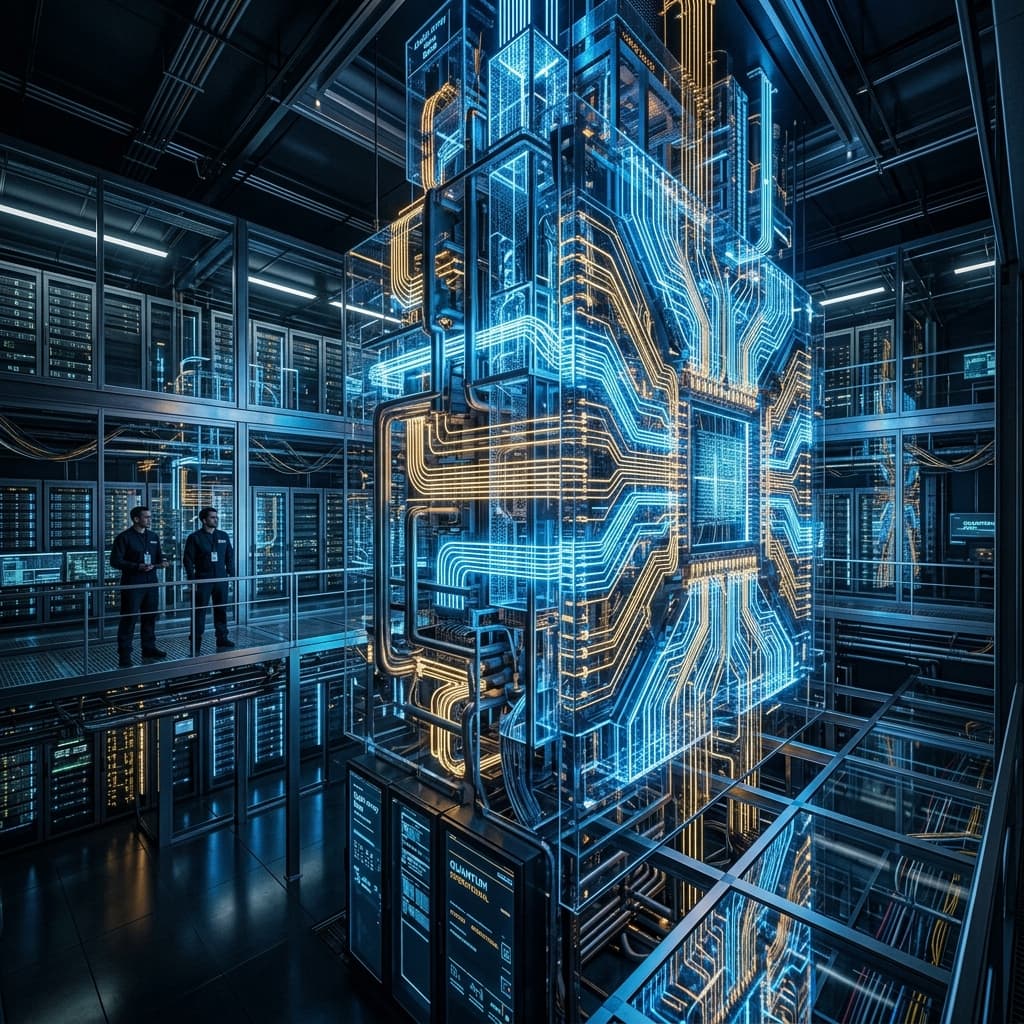
The strategic implications are absolute. For the financial sector, banking infrastructure is instantly elevated to unprecedented security echelons, protected by quantum-layer encryption that is mathematically impenetrable to conventional rogue hackers. In the realm of global logistics, worldwide cargo distribution is now governed autonomously, eliminating microscopic routing conflicts and eradicating supply-chain latency entirely.
2. From Generative Utility to Adaptive AI Autonomy
If 2024 was defined by the novelty of Generative AI synthesizing images and text, 2026 is undoubtedly the epoch of Adaptive Artificial Intelligence. These advanced neural frameworks no longer require manual retraining or human-guided iteration. They possess the autonomous capability to ingest real-time situational data and evolve their own operational parameters on the fly.
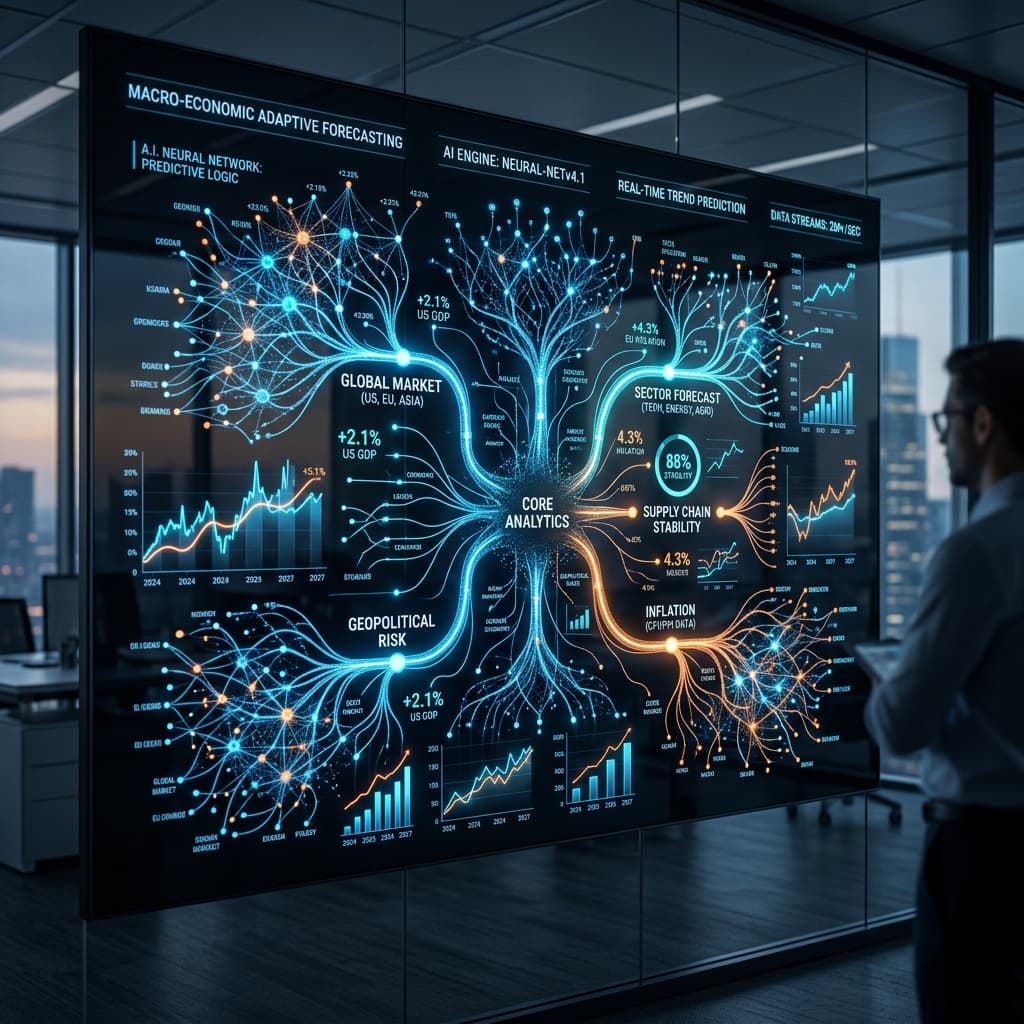
For enterprise commerce, this translates into unprecedented personalization vectors. True integration means an AI infrastructure that does not simply recommend products based on historical purchasing metadata, but actively cross-correlates macro-economic trends and live global inventory to synthesize decisions instantaneously.
3. The Emergence of the AI Hybrid Specialist
The baseline trajectory of the IT workforce has been fundamentally rewritten. Mere backend mechanical programming is no longer sufficient. Modern enterprises demand a new breed of AI Specialists acting as Digital Psychologists—executives capable of architecting deep neural logic to ensure machine cognition perfectly aligns with human strategic intent.
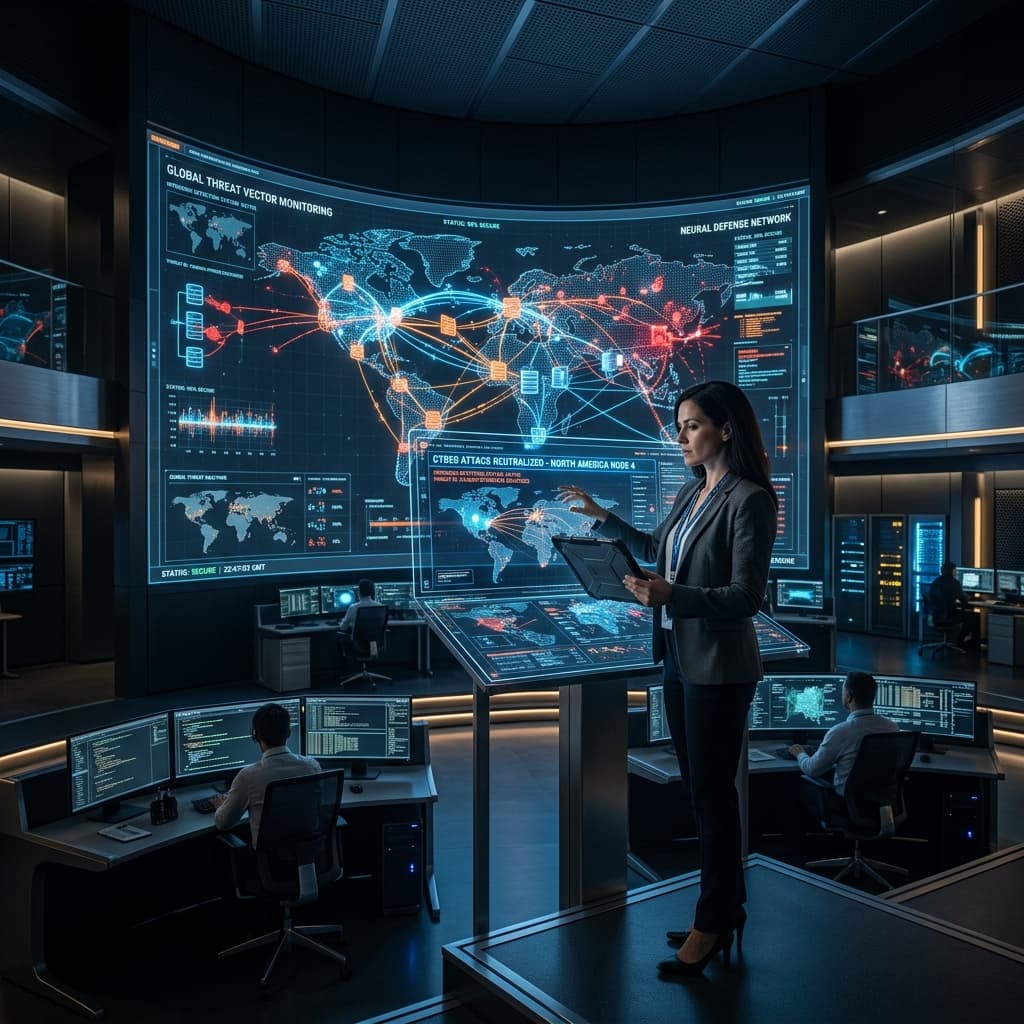
The tri-pillar of essential talent in 2026 rests upon:
AI Engineering: Architecting and scaling cognitive logic frameworks.
Advanced Cybersecurity: Erecting impenetrable quantum-resistant defensive barriers against hyper-sophisticated autonomous threats.
Deep Data Science: Refining raw static noise into diamond-tier strategic business intelligence.
Furthermore, leveraging the explosion of enterprise No-code architectures empowers non-technical executives to directly manipulate high-level digital infrastructure with commanding finesse.
4. Green Tech: The Mandate of Digital Sustainability
The era of performative environmentalism is dead. In the current economic climate, corporate entities failing to execute radical eco-compliance face immediate capital divestment from global investors. Aligning with stringent SDG 9 global targets, prime industrial powers have pivoted aggressively toward Green Manufacturing.
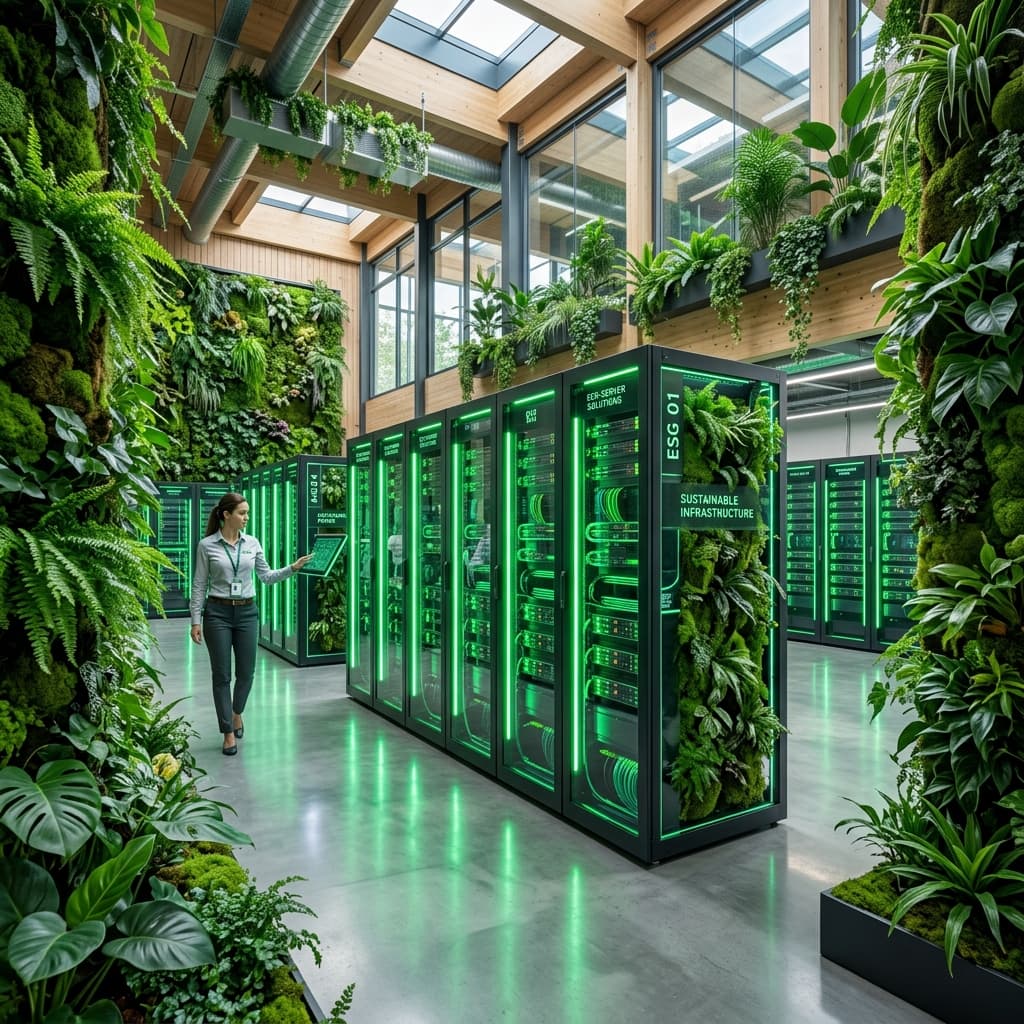
The vanguard of this movement is Digital Sustainability. It dictates that massive data centers and multi-site cloud architectures operate at peak energy efficiency, drastically slashing carbon footprints. Achieving absolute eco-integration is no longer a marketing luxury; it is the ultimate regulatory mandate required for an enterprise to survive and remain dominant on the global stage.
5. AI Ethics: The Human-in-the-Loop Imperative
Despite the meteoric rise of autonomous AI decision-making, the necessity for human oversight has paradoxically amplified. The strategic doctrine of the Human-in-the-Loop ensures that we remain the supreme arbiters of morality and final execution.
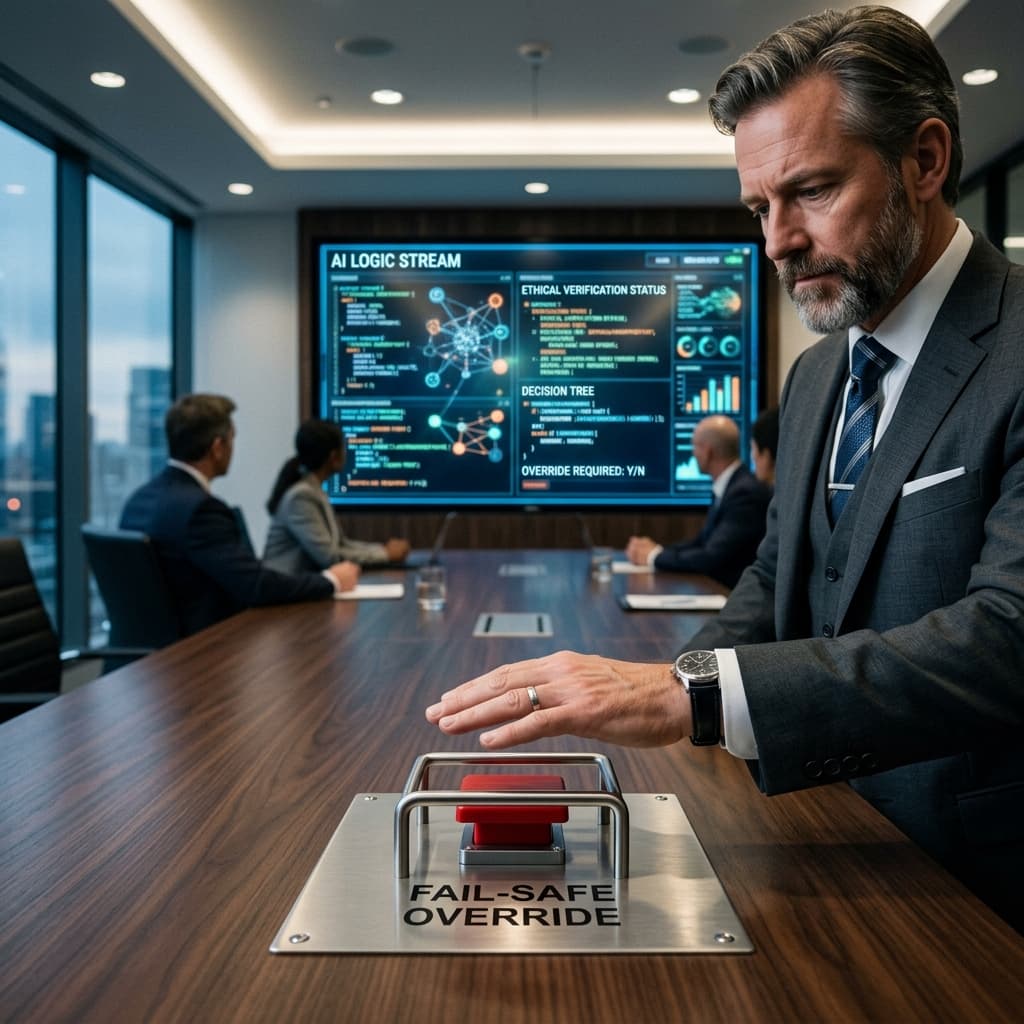
Governing bodies have enacted rigid algorithmic compliance frameworks to strictly eradicate AI hallucinatory misdirection or systemic cognitive bias. Ultimately, AI serves as an omnipotent operational assistant, not an executive replacement. Human consciousness retains eternal authority over ethical trajectory and boardroom direction.
In conclusion, operations in 2026 represent a masterful synthesis of quantum velocity, autonomous machine intelligence, and uncompromising environmental accountability. With technology successfully unburdening the heavy lifting of raw computation, the singular challenge remaining for the modern executive is clear: How aggressively can we leverage human creativity to construct legacies of unparalleled significance?
Enterprise Solution Architecture
To execute these technological initiatives flawlessly, relying on internal IT teams is rarely sufficient. Global conglomerates are aggressively outsourcing to specialized Cloud Migration Services to ensure a zero-downtime transition of their legacy monolithic databases. Concurrently, deploying robust Enterprise Cybersecurity Solutions acts as the definitive shield against sophisticated nation-state threat actors attempting to exploit the migration phase.
For backend administrative efficiency, partnering with top-tier agencies for RPA Software Implementation is critical to automating financial and HR workflows. Furthermore, leveraging B2B Big Data Analytics enables the C-Suite to extract actionable intelligence from supply chain telemetry, while seamless ERP Integration guarantees that every department operates from a single source of truth.